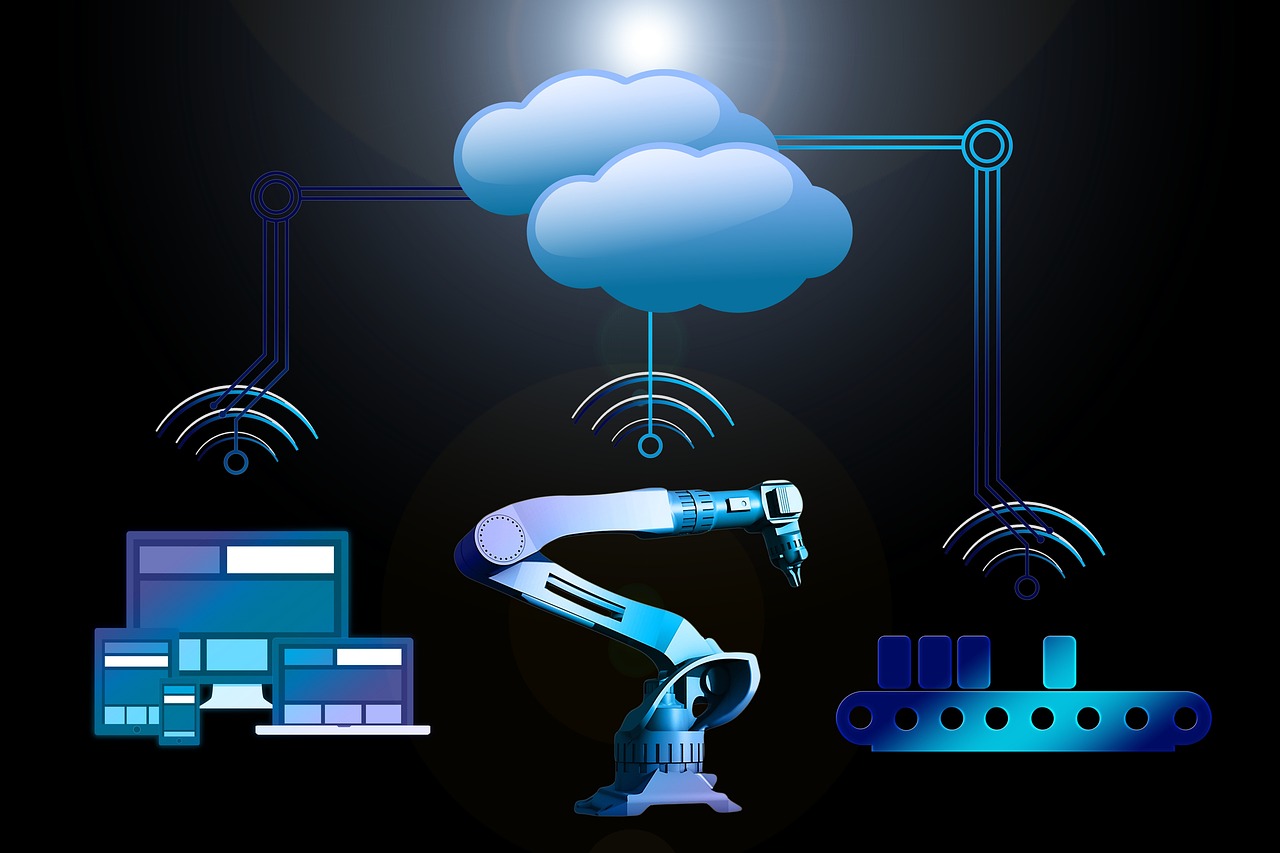
Digital Twin Implementation Automotive
Digital Twin Implementation in the automotive sector refers to the creation of a virtual model that accurately reflects a physical vehicle or system. This innovative concept serves as a critical tool for stakeholders, enabling real-time monitoring and predictive analysis, which enhances decision-making processes. As the automotive landscape evolves, the integration of digital twins aligns seamlessly with AI-driven initiatives, fostering operational efficiency and strategic agility that are imperative for maintaining competitiveness.\n\nThe significance of Digital Twin Implementation is profound, as it empowers automotive entities to harness AI for enhancing innovation cycles and competitive advantage. By facilitating data-driven insights, AI transforms how stakeholders collaborate, adapt, and respond to consumer demands. However, while the prospects for growth and efficiency are substantial, challenges such as integration complexities and shifting expectations necessitate a careful approach to adoption, ensuring that the transition is both effective and aligned with long-term strategic goals.
